Get Boiler Replacement
Boiler replacement services help property owners upgrade or replace aging or faulty boilers, handling projects like installation, repairs, and system upgrades to ensure reliable heating.
If your current boiler is nearing the end of its service life or experiencing frequent issues, exploring replacement options can be a practical step toward ensuring reliable heating in your property. Property owners in the area may consider upgrading their boiler to improve energy efficiency, reduce ongoing maintenance needs, or accommodate changes in household demand. This process often involves evaluating different types of boilers and comparing local service providers to find solutions that best meet specific needs.
Finding experienced local contractors who specialize in boiler replacement can help streamline the planning process. By exploring available services in the area, property owners can gather information on the options suited to their property’s requirements. Continuing to read can provide insights into how to connect with trusted providers and make informed decisions about planning a boiler replacement project.
- Boiler Replacement - needed when a current boiler is outdated, inefficient, or frequently breaking down.
- New Boiler Installation - required when upgrading to a more reliable or energy-efficient heating system.
- Emergency Boiler Replacement - necessary during unexpected failures or leaks that demand urgent attention.
- Commercial Boiler Replacement - essential for businesses experiencing heating system failures affecting operations.
- Seasonal Boiler Upgrade - advisable before winter to ensure heating systems are fully functional and efficient.

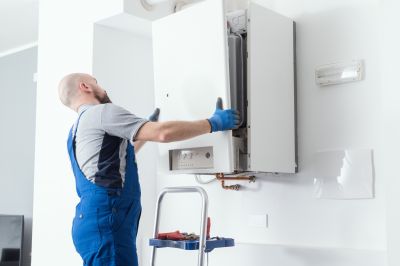
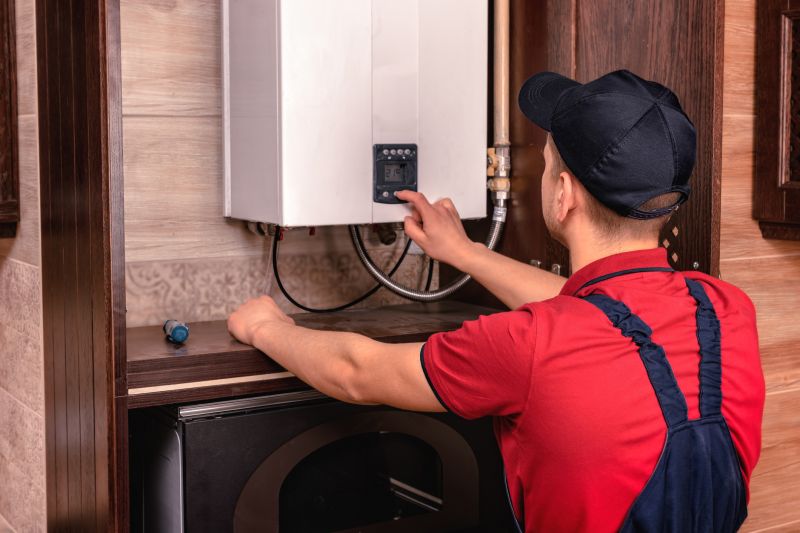
Boiler replacement services involve removing an outdated or malfunctioning boiler and installing a new, more efficient model. This process typically includes assessing the current heating system, selecting a suitable replacement, and ensuring the installation meets all necessary standards. Professional service providers handle the entire job, making sure the new boiler is properly connected and functioning correctly, so homeowners can enjoy reliable heating without the worries of ongoing repairs.
Replacing a boiler can help resolve common issues such as inconsistent heating, frequent breakdowns, or rising energy bills caused by an aging system. Over time, boilers can become less efficient or develop leaks, corrosion, or other problems that impact performance. A new boiler not only restores consistent warmth throughout a property but can also lead to energy savings, helping homeowners reduce their utility costs and avoid unexpected repair expenses.
This service is often used in a variety of properties, including single-family homes, multi-unit residences, and small commercial buildings. Homes with older heating systems that no longer operate efficiently are prime candidates for boiler replacement. Additionally, properties experiencing frequent breakdowns, noisy operation, or uneven heating may benefit from upgrading to a modern boiler. Service providers can recommend the right type and size of boiler based on the specific needs of each property.
Homeowners considering a boiler replacement should understand that the process involves removing the old unit, preparing the space for the new installation, and ensuring the system is properly integrated with existing heating components. This service is suitable for those whose current boiler is nearing the end of its lifespan, has become unreliable, or no longer meets the heating demands of the property. Connecting with local contractors can help determine if a replacement is the best solution and ensure the work is completed efficiently and correctly.
The overview below groups typical Boiler Replacement projects into broad ranges so you can see how smaller, mid-sized, and larger jobs often compare in your area.
In many markets, a large share of routine jobs stays in the lower and middle ranges, while only a smaller percentage of projects moves into the highest bands when the work is more complex or site conditions are harder than average.
Smaller Repairs - minor boiler repairs or part replacements typically cost between $250 and $600. Many routine fixes fall within this range, depending on the specific issue and boiler model. Fewer projects reach into higher cost brackets unless additional work is needed.
Mid-Range Replacements - replacing an existing boiler with a standard unit usually costs between $3,000 and $6,000. Most homeowners find their projects land in this range, covering standard models and straightforward installations. Larger or more complex systems can push costs higher.
Full Boiler Replacement - a complete system upgrade or replacement can range from $4,000 to $8,000 or more. Many typical installations fall into this middle band, while high-end or custom setups may reach beyond $10,000 depending on the scope.
Complex or Commercial Projects - larger, more intricate boiler systems for commercial or industrial use can exceed $10,000 and sometimes reach $20,000 or more. These projects are less common and involve specialized equipment and extensive work by local contractors.
Actual totals will depend on details like access to the work area, the scope of the project, and the materials selected, so use these as general starting points rather than exact figures.
Furnace Installation - involves similar planning and knowledge of heating systems, requiring expertise in integrating new equipment with existing home infrastructure.
Radiator Replacement - shares skills in plumbing, system balancing, and understanding of heating components necessary for efficient heat distribution.
Hydronic Heating System Setup - involves installing and configuring water-based heating solutions, requiring familiarity with piping and boiler connections.
Hot Water Heater Replacement - requires plumbing skills and system knowledge similar to boiler upgrades to ensure proper operation and safety.
HVAC System Upgrades - includes working with complex heating components and planning for efficient system integration within a building.
Commercial Boiler Installation - involves larger-scale planning and technical expertise comparable to residential boiler replacement projects.
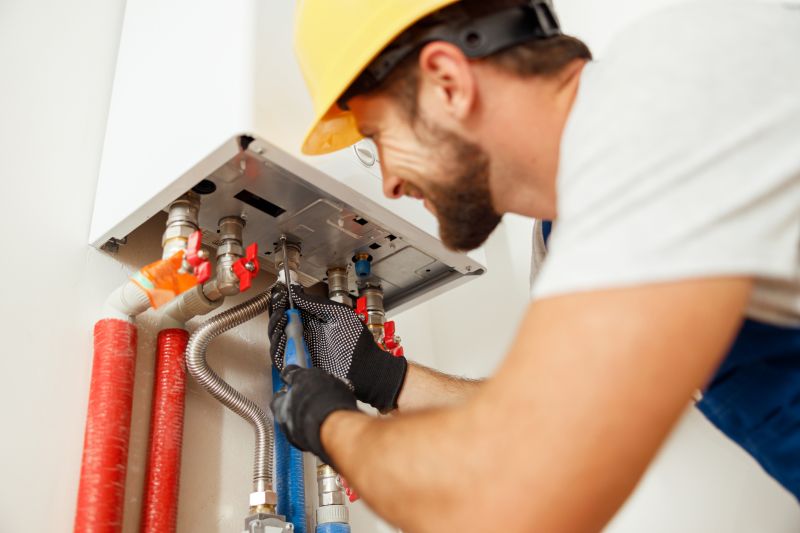
When comparing service providers for boiler replacement, it’s important to consider their experience with similar projects. Homeowners should look for local contractors who have a track record of successfully completing boiler replacements comparable in size and complexity to the job at hand. An experienced pro will be familiar with common challenges and best practices, which can help ensure the project proceeds smoothly and meets expectations. Gathering information about how long a contractor has been working in the area and their familiarity with local building codes can provide additional insight into their capability to handle the job effectively.
Clear, written expectations are essential when choosing a boiler replacement specialist. Homeowners should seek out service providers who can provide detailed estimates and scope of work in writing. This documentation helps ensure all parties are aligned on what will be done, what materials will be used, and what the project timeline might look like. Having these expectations clearly outlined reduces the potential for misunderstandings and provides a point of reference if questions or issues arise during the process. It’s also advisable to ask for a written warranty or guarantee on the work to understand what coverage might be available after the installation is complete.
Reputable references and good communication are key factors in selecting a reliable local contractor. Asking for references from previous clients who have had similar boiler replacements can offer valuable insights into the contractor’s professionalism and quality of work. Additionally, service providers who communicate clearly and promptly-whether through phone, email, or in-person discussions-are often more responsive and easier to work with throughout the project. While the site introduces homeowners to local options, it’s important to remember that the actual work will be handled by the chosen service providers. Comparing these aspects can help ensure the selected contractor is well-qualified to handle the job efficiently and to the homeowner’s satisfaction.
Property owners use Boiler Replacement services for practical projects around their homes and businesses. This guide focuses on everyday jobs and straightforward project options.
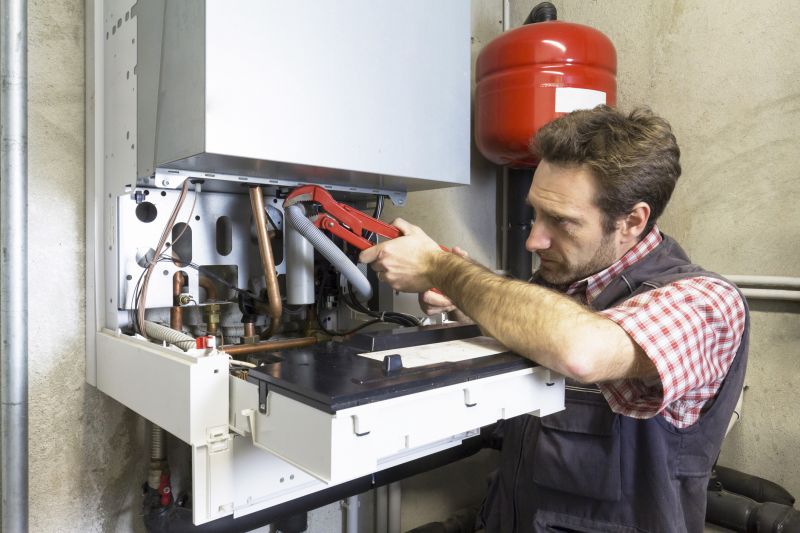
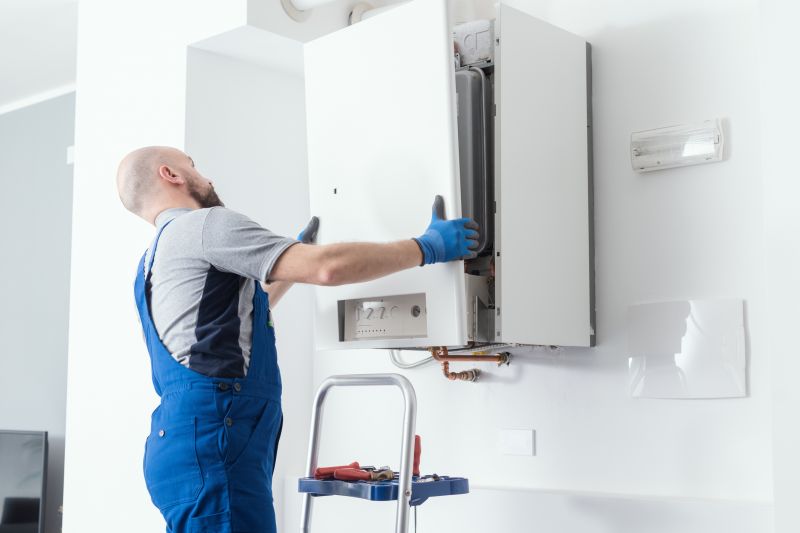
Boiler replacement services are often needed when property owners notice their heating systems are no longer functioning efficiently or have become unreliable. Common situations include boilers that are making unusual noises, failing to heat water properly, or showing signs of age such as rust or leaks. In colder months, a malfunctioning boiler can lead to inadequate heating, prompting residents to seek quick and effective solutions from experienced local contractors.
Property owners may also consider replacing their boiler when upgrading to a more energy-efficient model or after experiencing frequent breakdowns that lead to costly repairs. Older boilers tend to be less efficient and may not meet current heating demands, making a replacement a practical choice. Local service providers can assist with selecting the right unit and ensuring proper installation to keep homes warm and comfortable.
When should I consider replacing my boiler? Replacement may be needed if the boiler is frequently breaking down, making unusual noises, or has become inefficient compared to newer models. Consulting with local contractors can help determine if a replacement is appropriate.
What types of boilers are available for replacement? There are various options including combi boilers, system boilers, and conventional boilers. Local service providers can advise on the best type based on your home’s needs and existing setup.
How can I find qualified local contractors for boiler replacement? You can compare and connect with local service providers through lead generation platforms that match homeowners with experienced contractors in your area.
What should I consider before replacing my boiler? Factors include the size of your home, hot water demand, and compatibility with existing plumbing. A consultation with local pros can help assess these needs.
Are there any rebates or incentives for replacing an old boiler? Incentives vary by location and are typically offered through government or utility programs. Local contractors can provide guidance on available programs and eligibility.
Upgrade to a more efficient boiler - property owners can improve energy savings and reduce utility bills by replacing an outdated boiler with a modern, energy-efficient model.
Improve heating reliability during cold months - replacing an aging boiler can help ensure consistent warmth and comfort throughout the winter season.
Prepare for home renovations or upgrades - a boiler replacement can be part of larger property improvement projects to enhance overall system performance.
Address safety concerns with an old or malfunctioning boiler - upgrading to a new boiler can help mitigate risks associated with aging or faulty heating systems.
If you are thinking about Boiler Replacement for a property, this guide is meant to help you understand the work, the typical project types, and how different options might fit your plans.
When you are ready, you can use the quote form on this page to share a few details about your project. From there, local pros can review the basics and respond with options that match what you have in mind.